Discover the fascinating weather patterns that shape life in Glendale, CA 91020. Whether you're a resident, visitor, or planning activities, understanding the unique climate and seasonal shifts in this vibrant area is key to making informed decisions. This detailed guide explores everything from typical seasonal changes to advanced weather monitoring tools, helping you stay prepared and connected with Glendale’s ever-changing skies.
Overview of Glendale’s Climate and Weather Zones
Glendale, CA 91020 is situated within the Mediterranean climate zone, characterized by mild, landscaping services near me ridgelineoutdoorliving.com wet winters and hot, dry summers. However, the city’s location near the San Gabriel Mountains and close proximity to the Pacific Ocean creates distinct microclimates across different neighborhoods. These microclimates result from variations in elevation, coastal influences, and urban development, impacting temperature, humidity, and wind patterns locally.
Seasonal changes in Glendale are marked but moderate compared to other parts of the United States. Winters rarely bring freezing temperatures or snowfall, while summers often see heat waves intensified by the urban heat island effect. Meteorological data collected from local weather stations provide detailed insights into these seasonal cycles, allowing residents to track climate variability and manage daily schedules effectively.
The combination of mountain breezes, coastal air flows, and inland heat contributes to Glendale’s dynamic weather. Understanding these localized climate zones enhances awareness of sudden temperature shifts or unexpected fog and marine layer events that may affect visibility and comfort levels.
Typical Weather Conditions in Glendale by Season
Glendale exhibits distinct weather characteristics throughout the year, shaped largely by its Mediterranean climate and geographic position.
- Spring: Temperatures gradually rise from the cooler winter months, typically ranging between the mid-50s to high 70s (°F). Precipitation decreases significantly, creating mostly dry conditions with occasional light rainfall. Summer: Summers are usually hot and dry, with daytime highs often reaching the high 80s to mid-90s. Heat waves can push temperatures even higher, especially during late summer. Coastal breezes sometimes provide relief, though the marine layer may cause morning fog in lower elevations. Fall: Temperatures begin to cool, averaging between the mid-60s and low 80s. Rainfall remains minimal, but fire risk increases due to dry vegetation and warm winds. Winter: Winters are mild, with daytime highs in the mid-50s to low 60s. Frost is rare but possible in shaded or elevated areas. Most annual rainfall occurs during this season, usually between November and March, with occasional cold fronts bringing cooler, wetter weather.
Understanding these seasonal variations, including drought likelihood and unusual weather events like monsoonal moisture influxes or rare frost days, helps locals anticipate changes and maintain preparedness year-round.
Key Weather Elements Affecting Glendale
Temperature and Heat Index
Temperature in Glendale typically fluctuates between comfortable mildness and intense summer heat. Daytime highs can soar during heat waves, while nights often cool off significantly, thanks to temperature inversion layers that trap warm air above cooler surfaces. The heat index, which combines temperature and humidity, is an essential factor for understanding human comfort levels, especially during summer months.
The chill factor, or how cold the air feels when wind speeds are factored in, plays a smaller role in Glendale’s generally mild winters but remains important for early mornings or elevated locations where temperatures can drop unexpectedly.
Humidity and Dew Point
Humidity levels in Glendale vary seasonally, with lower humidity during summer contributing to dry heat conditions that can increase evapotranspiration rates, stressing vegetation and increasing drought risk. The dew point—the temperature at which air becomes saturated and moisture condenses—is typically moderate, influencing morning fog formation and nighttime cooling.
Tracking the humidity index helps residents and outdoor enthusiasts prepare for comfort and health considerations, such as the potential for dehydration or respiratory irritation on high-humidity or very dry days.
Wind Patterns and Atmospheric Pressure
Wind patterns in Glendale are influenced by both local and regional factors. The coastal breeze, flowing inland from the Pacific Ocean, moderates temperatures during summer afternoons, while mountain winds can bring cooler or warmer air depending on the season.
Wind speed and direction vary day-to-day but often follow predictable patterns shaped by atmospheric pressure systems and jet stream positions. Barometer readings help forecast short-term weather changes, providing early indication of approaching storm fronts or clear skies.
Precipitation and Storm Patterns
Rainfall in Glendale is primarily concentrated in the cooler months, with precipitation rates reflecting broader Southern California trends of moderate winter showers and dry summers. Thunderstorms are infrequent but can occur during monsoonal periods, occasionally bringing lightning, hail, and localized heavy rain.
Tornado risk is extremely low in the area; however, storm-related hazards such as flash flooding and strong winds require vigilance during intense weather events. Understanding typical storm behavior enables residents to respond appropriately to warnings and keep safe.
Monitoring Weather in Glendale: Tools and Resources
Weather Stations and Radar Systems
For real-time and precise weather data, Glendale relies on several local weather stations equipped with instruments to measure temperature, humidity, wind speed, and barometric pressure. These stations feed data into radar systems that track precipitation and storm development across the region.
Satellite imagery supplements ground observations by providing a broader view of cloud cover, weather fronts, and atmospheric movements. Advanced weather modeling integrates these data sources to generate accurate forecasts tailored to Glendale's microclimate characteristics.
Air Quality and UV Index Alerts
Air quality in Glendale is monitored regularly due to occasional pollution buildup from urban activity and nearby wildfire smoke events. Local agencies provide alerts on ozone levels and particulate matter concentrations, helping residents manage sensitive health conditions.
The UV index is another critical element, especially during sunny months. Alerts warn about ultraviolet radiation intensity, encouraging protective measures such as sunscreen application and avoiding peak sun exposure times to reduce skin cancer risks.
Weather Trends and Climate Change Impact on Glendale
Recent climate data reveal noticeable trends affecting Glendale’s weather patterns. Increasing average temperatures, more frequent and severe droughts, and shifts in precipitation timing are signs of ongoing climate change adaptation challenges.
Long-term forecasts predict intensified heat waves, altered storm frequencies, and extended dry periods, challenging water resource management and public health. Visibility reductions due to smog and wildfires add complexity to urban living conditions. Awareness of these trends is vital for community resilience, informing policy decisions and individual preparedness strategies.
How to Use Local Weather Data for Daily Planning
Interpreting local weather information effectively enables Glendale residents to optimize their daily routines and enhance safety. Key steps include:
- Regularly checking trusted forecast sources for updates on temperature, precipitation, and wind conditions. Understanding heat index values to avoid heat stroke risks during intense summer days. Monitoring weather warnings such as heat advisories, storm alerts, or poor air quality indices to take timely preventive actions. Using radar and satellite imagery via apps or websites to anticipate sudden weather changes, especially during wildfire season or monsoon influences. Planning outdoor activities around cooler parts of the day or after marine layer dissipation for comfort.
Being proactive with weather data helps prevent inconvenience and health risks, making everyday life safer and more enjoyable.
Frequently Asked Questions About Weather in Glendale CA 91020
- What is the typical weather like in Glendale CA 91020 throughout the year?Glendale experiences warm, dry summers and mild, wet winters with generally moderate temperatures year-round. When are the hottest and coldest months in Glendale?July and August tend to be the hottest months, while December and January are usually the coldest. How frequent are storms or severe weather events in Glendale?Severe storms are rare, with most precipitation occurring as light to moderate rain during winter months. Occasional thunderstorms may happen in late summer. What is the impact of the marine layer or coastal breeze on Glendale’s weather?The marine layer can bring morning fog and cooler temperatures, while coastal breezes provide relief from summer heat. How reliable are weather forecasts for Glendale CA?Forecasts are generally accurate due to local weather stations and advanced modeling, but rapid changes can still occur due to microclimates. What are the main weather hazards residents should be aware of? Heat waves, drought conditions, occasional storms, and poor air quality during wildfire season are key hazards. How does air quality vary seasonally in Glendale?Air quality tends to worsen during summer and fall due to increased smog and wildfire smoke, while winters generally have better conditions. What tools can I use to monitor real-time weather updates in Glendale?Residents can rely on local weather stations, online radar maps, mobile weather apps, and air quality alert services. How is climate change expected to affect Glendale’s weather patterns?Expect hotter temperatures, longer droughts, and more frequent extreme weather events in the coming decades. What precautions should I take during heat waves or drought periods in Glendale?Stay hydrated, limit outdoor activities during peak heat, use sun protection, and conserve water responsibly.
In conclusion, understanding the unique weather patterns of Glendale, CA 91020 empowers residents and visitors alike to navigate the seasons safely and comfortably. By leveraging local weather data, recognizing seasonal trends, and preparing for climate impacts, the Glendale community can enjoy all the benefits of its distinctive Mediterranean climate while minimizing weather-related risks. Stay informed, stay prepared, and embrace the ever-changing beauty of Glendale’s skies.
Our Local Sponsor
Business Name: Ridgeline Outdoor Living
Address: 845 E Walnut St, Pasadena, CA 91101, United States
Phone: (626) 469-5822
Ridgeline Outdoor Living
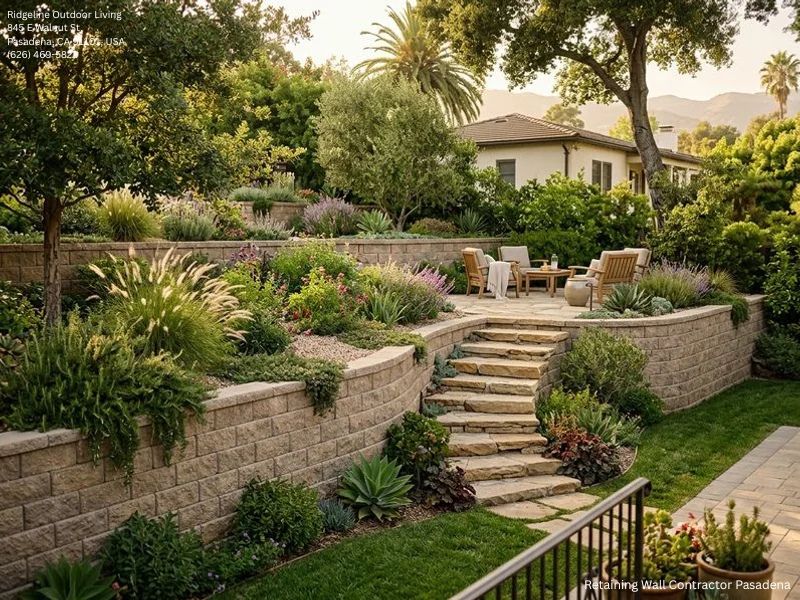
Ridgeline Outdoor Living is a Pasadena-based landscape design-build company serving Greater Los Angeles with custom outdoor living, hardscape, and drought-tolerant landscape solutions. The company specializes in patios, retaining walls, outdoor kitchens, drainage, hillside projects, and turnkey landscape construction, handling projects from design and permitting through final build and warranty.
845 E Walnut St, Pasadena, CA 91101, USA
Business Hours:
- Monday – Saturday: 8:00 AM – 6:00 PM
- Sunday: Closed
Follow Us: